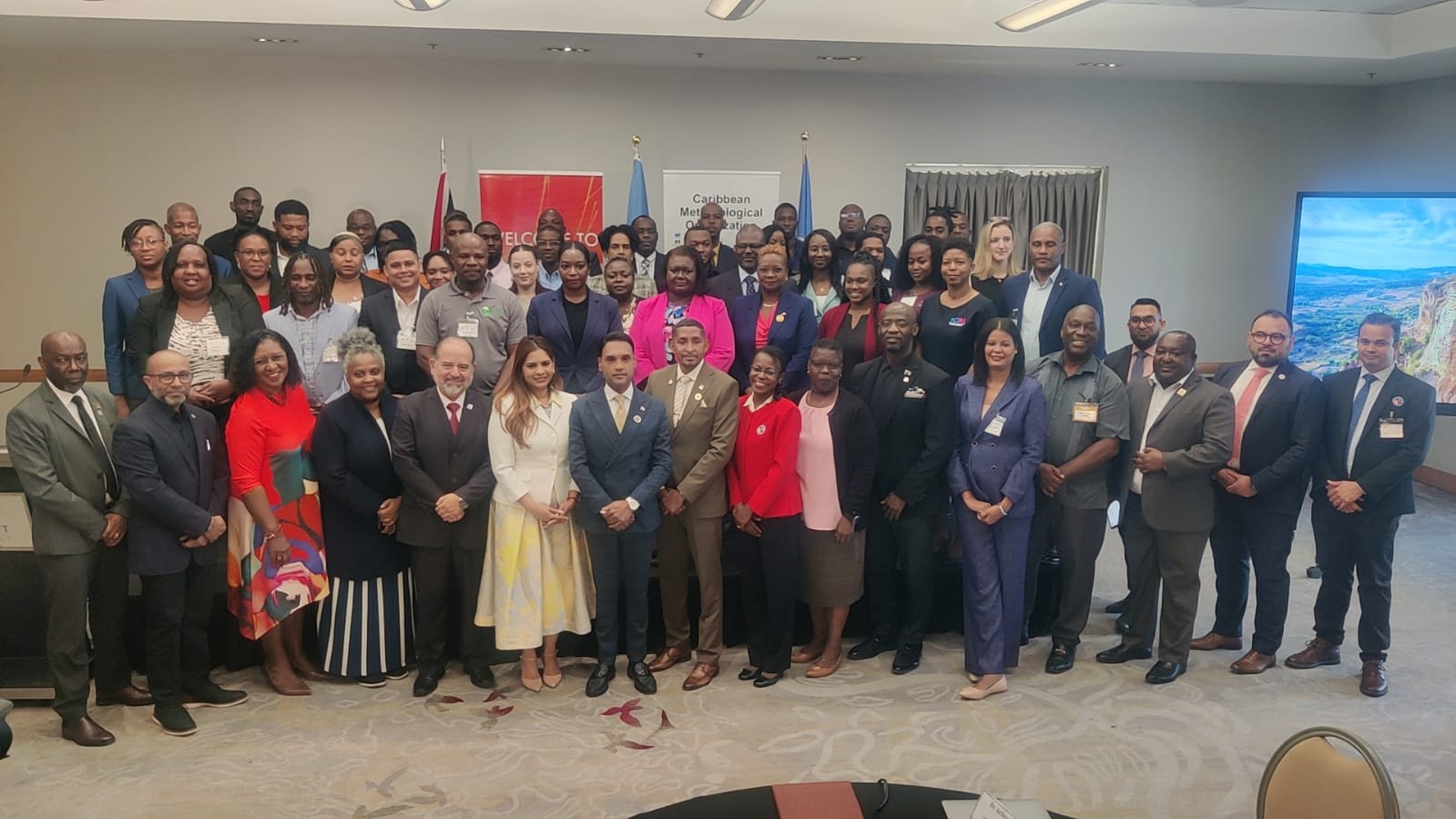
Yellow Hill Road, Montserrat – Montserrat was represented at the recently held Caribbean Regional Workshops on Strengthening Knowledge Exchange and Mutual Understanding and Artificial Intelligence for Forecasting, Climate Services, and Disaster Preparedness, held in Port of Spain, Trinidad and Tobago, from 20–23 January 2026.
Information and Education Officer at the Disaster Management Coordination Agency (DMCA), Shirlian Queeley, and Meteorology Officer at the John A. Osborne Airport Air Traffic Control Unit, Gerren Gerald, attended the two back-to-back workshops.

Ms. Queeley highlighted Montserrat’s limited weather monitoring capacity, noting that the island currently operates a single weather station primarily supporting aviation. She emphasized the need for additional multi-hazard weather stations to strengthen early warning systems, improve community-level communication, and ensure the timely dissemination of accurate information, particularly during extreme weather events such as flash floods and lahars to help save lives and reduce disaster risk.
Officials from the Caribbean Meteorological Organization (CMO) assured participants that steps are being taken to improve Montserrat’s weather monitoring capabilities. Meteorologists from the Antigua and Barbuda Meteorological Services are expected to visit Montserrat later this year to better understand the island’s unique topography and weather patterns and improve data accuracy. Additionally, an Automatic Weather Station (AWS), funded by the Caribbean and Central America Parametric Insurance Facility (CCRIF SPC), is scheduled for installation this year.
Ms. Queeley noted that the workshops underscored the importance of reducing risk through early warnings that are clearly communicated, trusted, and acted upon, stressing the role of authoritative institutions with legal responsibility in issuing timely and accurate alerts. She added that AI-supported forecasting tools introduced during the sessions have the potential to significantly enhance Montserrat’s forecasting capacity, improve emergency information dissemination, and support informed decision-making to help save lives.
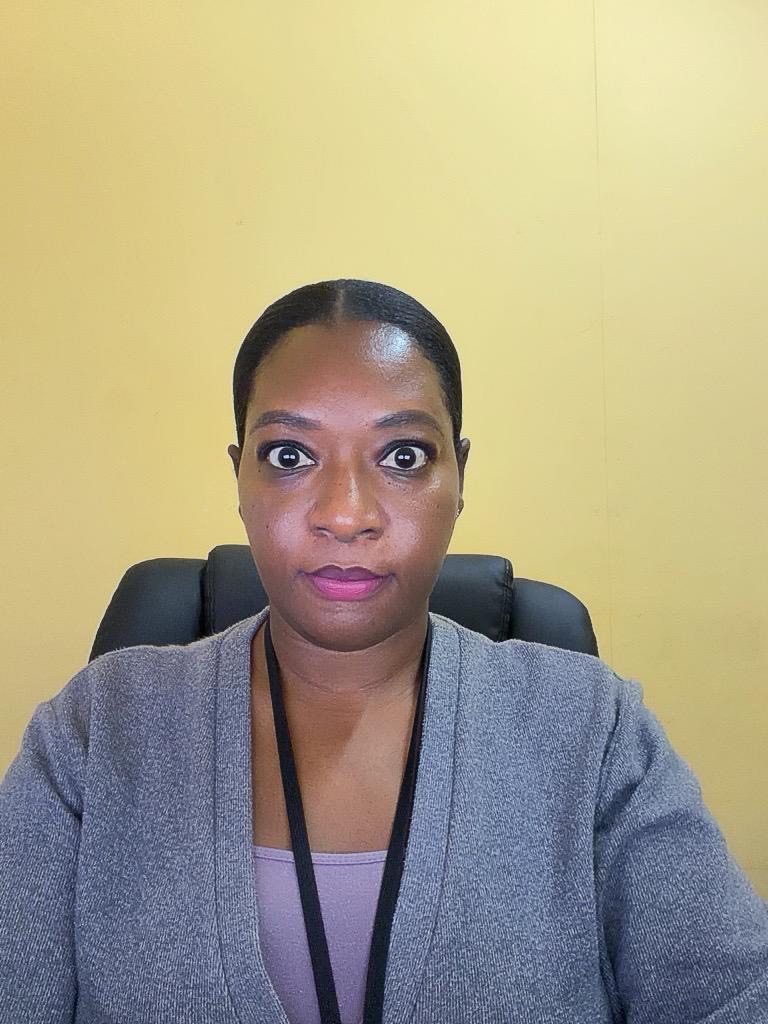
Ms. Gerald stated that the initial sessions highlighted the importance of National Meteorological Services issuing clear, detailed, and impact-focused alerts and warnings, particularly for small island states such as Montserrat. Emphasis was placed on how stronger meteorological products support agencies such as the DMCA and the media in translating technical data into user-friendly, relevant messages that enable the public and authorities to make informed decisions. Participants also examined how timely, well-structured warnings improve inter-agency coordination, strengthen public trust, and enhance community preparedness during adverse weather events.
The subsequent sessions focused on the practical application of AI-supported forecasting software to better assess and communicate the potential impacts of significant weather events across different areas of Montserrat. The training demonstrated how AI tools can support more localized, impact-based forecasting, allowing alerts and warnings to be targeted toward known danger zones and weather-related hotspots on a near-continuous, 24-hour basis. For Montserrat, this approach offers significant potential to improve early warning capabilities, support proactive decision-making, and strengthen island-wide disaster preparedness through precise, location-specific information.
Participation by the DMCA and the John A. Osborne Airport Air Traffic Control Unit underscores both entities’ commitment to innovation, regional collaboration, and resilience-building, as they continue working to better protect lives, livelihoods, and communities across Montserrat.
The workshops brought together regional representatives from National Meteorological and Hydrometeorological Services, Disaster Risk Management Offices, and the media to strengthen collaboration, improve risk communication, and explore how artificial intelligence can support weather forecasting, climate services, and disaster preparedness across the Caribbean.
— Ends —